

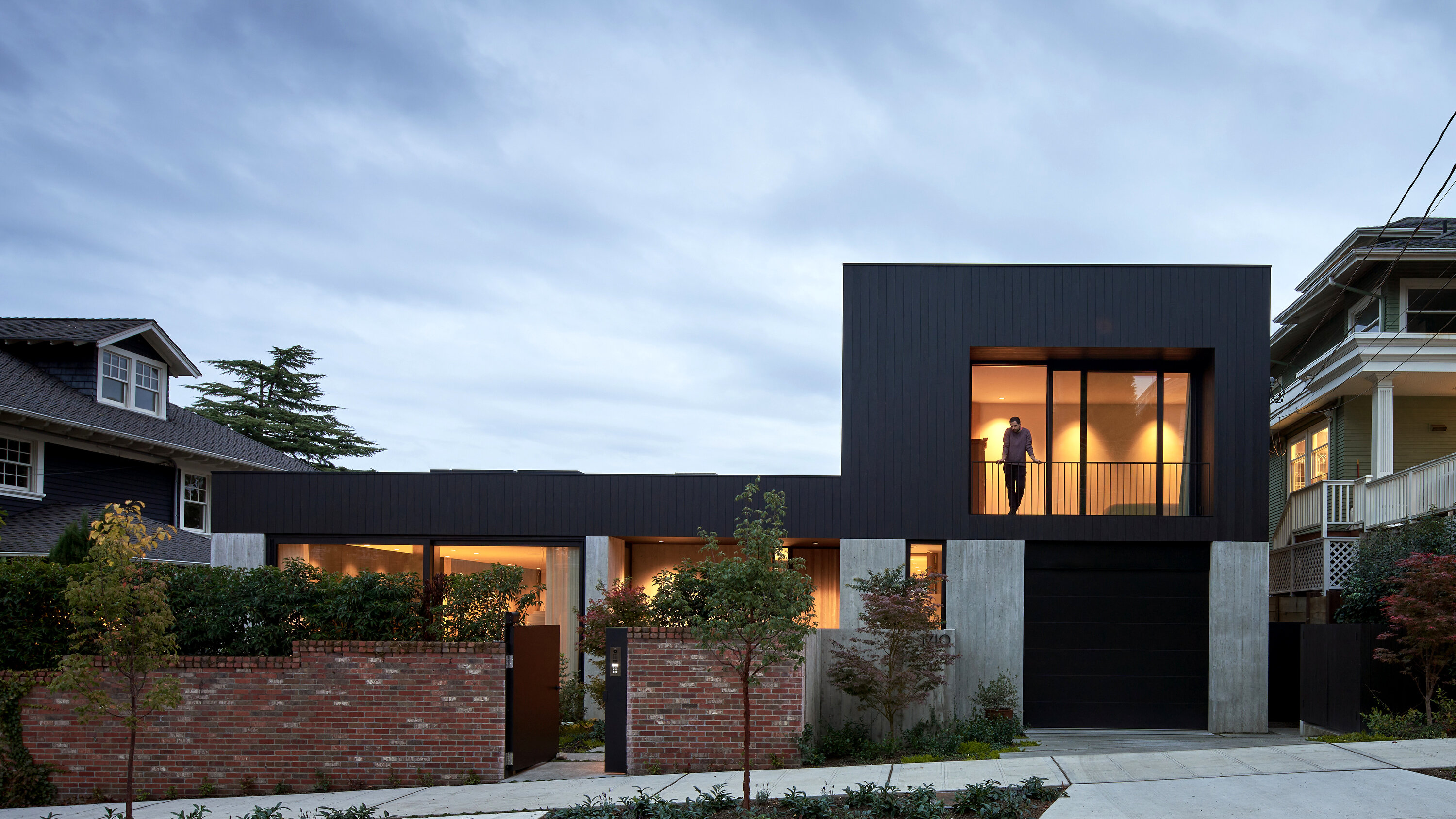
First-Time Home Buyer in Washington: Complete 2026 Guide for Tech Professionals
Understanding Washington's First-Time Home Buyer Landscape in 2026
Breaking into Washington State's real estate market as a first-time home buyer has become more accessible in 2026, thanks to increased inventory and stabilizing mortgage rates. For tech professionals in the Greater Seattle area, the current market presents a strategic opportunity to enter homeownership with less competition and more negotiating power than in recent years.
As of February 2026, King County's median home price stands at $799,000, down 0.12% year-over-year, while Snohomish County offers more affordable options at $595,000, down 3.25% from last year. These modest price adjustments, combined with mortgage rates stabilizing around 6.17% for 30-year fixed loans, create a more balanced market for first-time buyers.
What makes 2026 particularly advantageous is the significant increase in housing inventory—King County has seen a 25.64% year-over-year jump in active listings, translating to 3.04 months of supply. This shift from the frenzied seller's market of 2021-2022 means first-time buyers now have time to make informed decisions, conduct thorough inspections, and negotiate favorable terms.
Washington State First-Time Home Buyer Programs
Washington State offers some of the most generous first-time home buyer assistance programs in the nation, managed primarily through the Washington State Housing Finance Commission (WSHFC). These programs are specifically designed to help tech professionals and other qualified buyers overcome the barrier of high down payments.
WSHFC Home Advantage Program
The Home Advantage program provides reduced interest rates and substantial down payment assistance for eligible first-time buyers. Key features include:
- Competitive Interest Rates: Often below market rates, saving thousands over the life of your loan
- Down Payment Assistance: Up to 4-5% of the mortgage amount, with special provisions allowing up to $55,000 in high-cost areas like Seattle
- Flexible Credit Requirements: Minimum credit score of 620 (sometimes lower with strong debt-to-income ratios)
- Income Limits: Annual earnings under $180,000—accommodating many tech professionals
- Deferred Payment Structure: Down payment assistance structured as a no-interest second mortgage with 30-year deferred payments
For a tech professional purchasing a $750,000 home in Bellevue, the Home Advantage DPA could provide $37,500 (5% of the loan amount), significantly reducing upfront costs. This assistance doesn't require repayment until you sell, refinance, or pay off the primary mortgage.
House Key Opportunity Program
Designed for lower-to-moderate income buyers, the House Key Opportunity program offers:
- Income Thresholds: $100,000 to $175,000 depending on location and household size
- Purchase Price Limits: $345,000 to $750,000 varying by county
- Interest Rate Discounts: Available for conventional loans if income is below 80% of area median income
- Opportunity DPA: Up to $15,000 in down payment assistance at 1% interest with 30-year deferred payments
This program works particularly well for early-career tech professionals or those purchasing in more affordable areas of Snohomish County, where the median price of $595,000 falls within program limits.
Specialized Assistance Programs
Veterans DPA: Eligible veterans can receive up to $10,000 in down payment assistance at 3% interest, combinable with either Home Advantage or House Key Opportunity mortgages. This stacks with VA loan benefits for zero-down financing.
HomeChoice Disability DPA: Households with a member who has a disability can access up to $15,000 in assistance at 1% interest with 30-year deferred payments.
EnergySpark Program: Additional interest rate savings for buyers purchasing energy-efficient homes or properties that can be upgraded to meet Washington's green requirements.
Local Down Payment Assistance
Seattle: The City of Seattle's Office of Housing offers up to $90,000 for homes with three or more bedrooms, or $70,000 for smaller homes. This program targets low-to-moderate income first-time buyers and can be combined with state programs.
Tacoma: Provides up to $60,000 as a no-interest, 25-year loan for first-time buyers within city limits, requiring household income at or below 80% of area median income.
Getting Pre-Approved: Your First Critical Step
In Washington's competitive market, pre-approval is non-negotiable. Unlike pre-qualification (a quick estimate based on self-reported information), pre-approval involves thorough verification of your finances and results in a conditional commitment from a lender.
Why Pre-Approval Matters in 2026
Even with increased inventory, desirable homes—particularly those above $675,000 in King County—still receive multiple offers. Sellers and their agents prioritize pre-approved buyers who can close with certainty. In the current market where homes average 58 days on market in King County, pre-approval demonstrates you're a serious buyer ready to act quickly when you find the right property.
Documents Required for Pre-Approval
Gather these documents before meeting with lenders:
- Pay Stubs: Last 30 days showing year-to-date earnings
- W-2 Forms: Previous two years for employment verification
- Tax Returns: Last two years, especially important if you have RSU income or consulting work
- Bank Statements: Two months for all accounts to verify down payment funds
- Investment Account Statements: If using stocks, RSUs, or other investments for down payment
- Credit Report Authorization: Lenders will pull your credit; review it first to identify issues
- Employment Verification: Letter from HR or recent offer letter if recently changed jobs
- Debt Documentation: Student loans, car loans, and credit card balances
Tech Compensation Considerations
For tech professionals with equity compensation, be prepared to explain RSU vesting schedules. Most lenders now understand tech compensation structures and will count a portion of your variable income when calculating qualifying income. Work with mortgage brokers experienced in evaluating stock-based compensation—they understand how to present your total compensation package effectively.
How Much Home Can You Afford?
Lenders use debt-to-income (DTI) ratios to determine borrowing capacity. Most conventional loans require DTI below 43%, though some programs allow up to 50%. With King County's median at $799,000, a 20% down payment would be $159,800, requiring a household income of approximately $200,000 to comfortably afford the monthly payment at current 6.17% rates.
However, with down payment assistance programs, you could purchase the same home with just 3-5% down ($23,970-$39,950), though you'll pay private mortgage insurance (PMI) until reaching 20% equity. Calculate your true affordability including:
- Property Taxes: King County averages 0.92% of assessed value annually ($7,351 on a $799,000 home)
- Homeowners Insurance: $1,200-$2,000 per year
- HOA Fees: $300-$800+ monthly for condos
- Maintenance: Budget 1-2% of home value annually ($7,990-$15,980)
- Utilities: Significantly higher than apartment living
Choosing Between King and Snohomish Counties
One of the most important decisions for first-time buyers is location. Both counties offer distinct advantages for tech professionals.
King County: Proximity and Prestige
At $799,000 median price, King County commands a premium for location advantages:
- Shorter Commutes: Living near Bellevue, Redmond, or Seattle minimizes commute time to Microsoft, Amazon, Google, and Meta
- Urban Amenities: Superior dining, entertainment, and cultural options
- Transit Access: Light rail, bus rapid transit, and future transit expansion
- Strong Appreciation: Historically, King County real estate appreciates faster
- Walkable Neighborhoods: Many areas offer car-free lifestyle options
The tradeoff: higher prices mean smaller homes, older construction, or compromises on features. First-time buyers often start with condos or townhomes ($523,557 average for condos), building equity before upgrading to single-family homes.
Snohomish County: Value and Space
At $595,000 median, Snohomish County offers $204,000 in savings compared to King County:
- More Space: Larger homes, bigger yards, modern construction
- Better Value: Significantly more home for your money
- Strong Communities: Excellent schools and family-friendly neighborhoods
- Reasonable Commutes: Bothell and Lynnwood offer 25-35 minute commutes to Bellevue/Redmond
- Growing Infrastructure: New retail, dining, and entertainment expanding rapidly
With remote and hybrid work increasingly common in tech, many professionals find the space and savings worth the occasional longer commute. If you're only going to the office 2-3 days per week, Snohomish County becomes even more attractive.
Understanding Current Market Conditions
The 2026 market is fundamentally different from the frenzy of 2021-2022. Understanding these dynamics helps you negotiate effectively.
The Split Market Phenomenon
Washington's market exhibits a clear split:
- Under $675,000: Slower sales, averaging 35-45 days on market, often selling below asking price. Buyers have negotiating leverage for repairs, credits, and terms.
- Above $675,000: Faster sales, averaging 15-20 days on market, frequently with multiple offers. Competition remains strong, requiring strategic offers.
For first-time buyers targeting condos or townhomes under $675,000, this is excellent news. You have time to be selective, conduct thorough inspections, and negotiate favorable terms.
Inventory and Days on Market
King County's 58 average days on market (up from 41 last year) and Snohomish County's 54 days indicate a more balanced market. This extended timeline allows you to:
- Evaluate multiple properties without pressure
- Conduct comprehensive inspections
- Negotiate repairs or credits based on findings
- Compare neighborhoods and commute times
- Make informed decisions without FOMO (fear of missing out)
Sale-to-List Price Ratios
King County's 98.2% sale-to-list ratio means homes are selling for slightly less than asking price on average. Only 14% of homes sell above list price (down from 20.3% last year), and 23.6% have price drops. This data empowers first-time buyers to make reasonable offers below asking price, especially for properties on market 30+ days.
Mortgage Options for First-Time Buyers
Beyond state programs, several mortgage products cater to first-time buyers with limited down payments.
Conventional 97 Loans
- Down Payment: Just 3%
- Credit Score: Minimum 620
- PMI: Required but removable once you reach 20% equity
- Loan Limits: Up to $832,750 (conforming limit for 2026)
For a $750,000 home, you'd need $22,500 down plus closing costs. With strong credit (740+), you'll secure the best rates around 5.875-6.17%.
FHA Loans
- Down Payment: 3.5%
- Credit Score: Minimum 580
- MIP: Mortgage insurance required for life of loan (or until refinance)
- Current Rates: Around 5.5%
FHA loans are excellent for buyers with student loans or limited credit history. The lower credit score requirement makes homeownership accessible to more tech professionals early in their careers.
VA Loans (for Veterans)
- Down Payment: $0
- Credit Score: Typically 620+ (varies by lender)
- No PMI: No ongoing mortgage insurance
- Current Rates: Around 5.5%
If you've served in the military, VA loans combined with Veterans DPA ($10,000) provide an unbeatable path to homeownership with minimal upfront costs.
USDA Loans
- Down Payment: $0
- Credit Score: Around 640
- Location: Designated rural/suburban areas
- Income Limits: Moderate income restrictions
Surprisingly, some areas within commuting distance of Seattle tech hubs qualify for USDA loans. Check eligibility for properties in outer Snohomish County or Pierce County.
Making Your First Offer
When you find the right home, crafting a competitive yet protective offer requires strategy.
Components of a Strong Offer
- Purchase Price: Based on comparable sales, condition, and days on market
- Earnest Money: 1-3% of purchase price demonstrates commitment
- Down Payment Amount: Larger down payments signal financial strength
- Financing Contingency: Protects you if financing falls through (typically 21 days)
- Inspection Contingency: 10-14 days to complete inspections and negotiate repairs
- Appraisal Contingency: Protects you if home appraises below purchase price
- Closing Timeline: Flexibility on closing date can be valuable to sellers
Pricing Strategy
In the current market:
- Properties Under $675K: Offer 2-5% below asking for homes listed 30+ days
- Properties Above $675K: Offer at or slightly above asking for newly listed homes in desirable areas
- Escalation Clauses: Automatically increase your offer in $5,000-$10,000 increments up to a maximum price
Essential Contingencies
As a first-time buyer, maintain these protections:
- Financing Contingency: Never waive unless paying cash
- Inspection Contingency: Critical for identifying major issues
- Appraisal Contingency: Protects from overpaying
Avoid waiving contingencies to compete. Many first-time buyers who waived inspections during 2021-2022 discovered expensive problems after closing.
The Inspection and Closing Process
Home Inspection Essentials
Budget $400-$600 for a qualified inspector to evaluate:
- Structural integrity: foundation, framing, load-bearing elements
- Roof condition and remaining lifespan
- Electrical systems: panel capacity, wiring, safety
- Plumbing: pipes, water heater, drainage
- HVAC systems: furnace, air conditioning, ventilation
Attend the inspection to ask questions and understand the home's systems. Consider specialized inspections:
- Sewer Scope: $200-$300, essential for older homes
- Radon Testing: $150-$250
- Pest Inspection: $100-$200
Negotiating Repairs
After receiving the inspection report, you can:
- Request repairs for major issues
- Request credits to address repairs yourself
- Renegotiate price if major problems discovered
- Walk away if issues are too severe
Focus on major systems and safety issues rather than cosmetic concerns. Sellers are more likely to address a failing furnace than outdated countertops.
Closing Day
Washington is an escrow state, meaning a neutral third party handles the transaction. On closing day, you'll sign documents including:
- Promissory note: your promise to repay the loan
- Deed of trust: secures the loan with the property
- Closing disclosure: itemizes all costs and fees
- Title documents: transfer ownership to you
Bring a cashier's check or arrange wire transfer for your down payment and closing costs (typically 2-5% of purchase price). After signing and recording, you officially own your home!
Why Choose Odigo Club
Navigating Washington's real estate market as a first-time buyer requires expertise, local knowledge, and an agent who understands tech professionals' unique needs. Odigo Club specializes in serving software engineers, product managers, data scientists, and other tech workers in the Greater Seattle area.
Our agents understand equity compensation complexities, hybrid work considerations, and the lifestyle priorities of tech professionals. We provide:
- First-Time Buyer Expertise: We guide you through every step, from pre-approval to closing
- Program Navigation: We help you maximize state and local assistance programs
- Data-Driven Analysis: Real-time market data to identify opportunities
- Commute Optimization: Balance home features, price, and commute times
- Negotiation Strength: Craft winning offers while protecting your interests
- Long-Term Partnership: Support for your entire real estate journey
Ready to start your home buying journey? Visit www.odigoclub.com to connect with an agent who specializes in helping first-time buyers find their perfect home in King and Snohomish Counties. Let's turn your homeownership dreams into reality.
About the Author

Peter Kim
Peter Kim is the owner of Odigo Real Estate Club, a leading real estate agency in the Greater Seattle area that specializes in residential, commercial, and luxury properties. With over 25 years of combined experience and a team of highly skilled agents, Peter brings a wealth of knowledge and expertise to the real estate space.


