

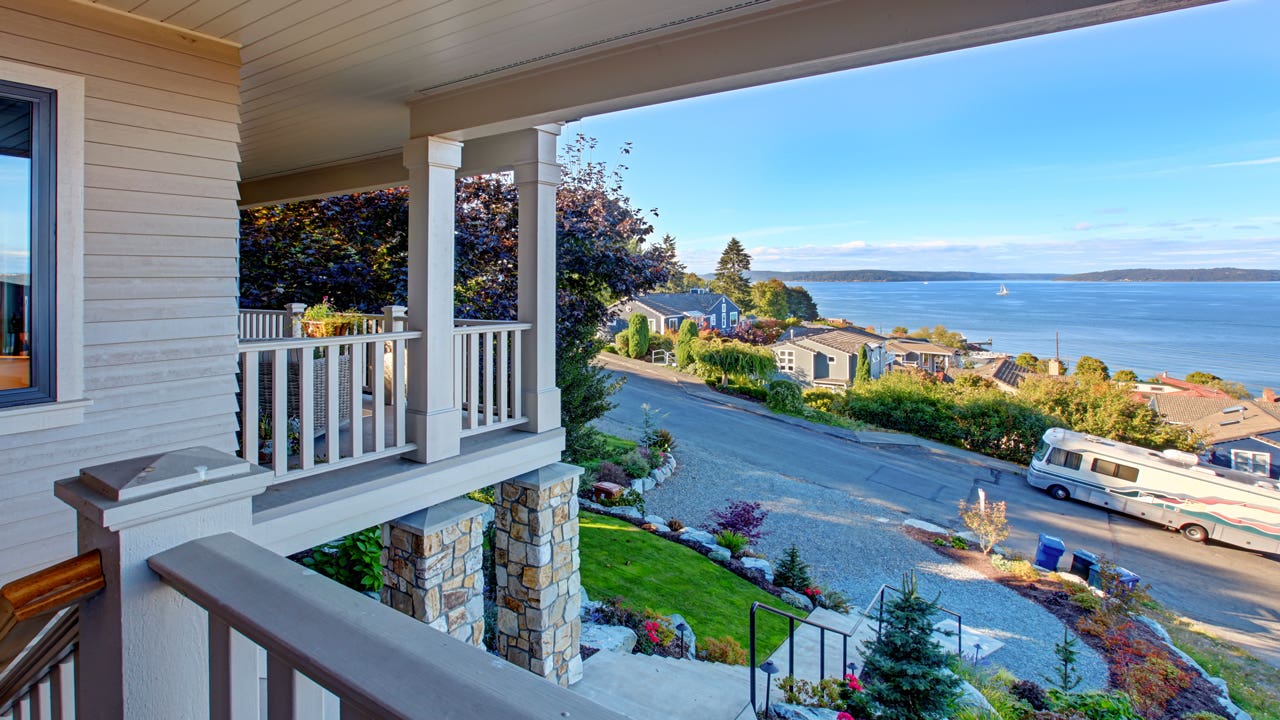
How To Sell A House In Washington: Complete 2026 State Guide
Complete Guide to Selling a House in Washington State: 2026 Edition
Selling a house in Washington State requires understanding unique state laws, market conditions, and buyer expectations that differ from other regions. As of February 2026, Washington's real estate market is experiencing a transition toward more balanced conditions, creating opportunities for informed sellers who understand the process and prepare strategically.
Washington State's housing market is characterized by strong economic fundamentals driven by technology, aerospace, and healthcare industries, particularly in the Puget Sound region. However, the days of automatic bidding wars and over-asking offers have given way to a more selective environment where preparation, pricing, and presentation determine success.
Washington State Market Overview (February 2026)
- Statewide Median List Price: $659,900
- Statewide Median Sale Price: $635,900
- Median Days on Market: 80 days statewide
- Sale-to-List Price Ratio: 98.70% (slight negotiation expected)
- Housing Inventory: 20,181 homes for sale statewide
- New Listings: 1,719 added weekly
- Market Type: Seller's market but more balanced than 2020-2022
Understanding Washington's Unique Real Estate Laws
Washington State has specific laws and practices that affect the selling process. Understanding these requirements helps you avoid legal issues and ensures a smooth transaction.
Seller Disclosure Requirements
Washington law requires sellers to complete a comprehensive Seller Disclosure Statement covering:
- Property Condition: Known defects, repairs, and issues with structure, systems, and appliances
- Environmental Hazards: Lead paint (pre-1978 homes), asbestos, radon, mold
- Water and Sewer: Well water quality, septic system condition, sewer connections
- Structural Issues: Foundation problems, roof leaks, water intrusion
- Neighborhood Factors: Noise, odors, planned developments, HOA restrictions
- Legal Issues: Boundary disputes, easements, zoning violations
Failure to disclose known issues can result in legal liability after closing. When in doubt, disclose—it's better to address concerns upfront than face lawsuits later.
Form 17: Seller's Property Disclosure Statement
Washington's Form 17 is a standardized disclosure document required for most residential sales. Key sections include:
- Title and ownership information
- Water supply and sewage system details
- Structural and mechanical systems condition
- Environmental hazards and contamination
- Homeowners association information
- Manufactured home specifics (if applicable)
Complete Form 17 honestly and thoroughly. Buyers can rescind offers within 3 business days of receiving disclosures if they're unsatisfied with the information.
Excise Tax and Transfer Fees
Washington State imposes a Real Estate Excise Tax (REET) on property sales, paid by the seller at closing:
- State REET: Graduated rates from 1.10% to 3.00% based on sale price
- Local REET: Additional 0.25% to 0.50% depending on county and city
- Total REET: Typically 1.60% to 1.78% in King County, 1.28% to 1.53% in Snohomish County
Example: On a $750,000 sale in Seattle, expect approximately $13,350 in excise tax (1.78%).
Escrow Process in Washington
Washington is an escrow state, meaning a neutral third party (escrow company) handles the transaction rather than attorneys. The escrow process includes:
- Holding earnest money deposits
- Coordinating title search and insurance
- Managing inspection and appraisal timelines
- Preparing closing documents
- Facilitating fund transfers
- Recording the deed with the county
Typical escrow period: 30-45 days from offer acceptance to closing.
Preparing Your Home for Sale
In Washington's current market, preparation directly impacts both sale speed and final price. Buyers have more choices and time to compare properties, making presentation critical.
Essential Repairs and Improvements
High-ROI Improvements (100%+ return):
- Fresh interior paint in neutral colors ($1,500-$3,000)
- Professional deep cleaning ($300-$600)
- Landscaping and curb appeal ($500-$2,000)
- Minor kitchen updates (hardware, fixtures) ($500-$1,500)
- Bathroom refresh (caulking, grout, fixtures) ($300-$1,000)
Medium-ROI Improvements (70-90% return):
- Kitchen remodel (mid-range) ($25,000-$40,000)
- Bathroom remodel ($15,000-$25,000)
- New flooring (carpet, hardwood) ($3,000-$8,000)
- Exterior painting ($3,000-$6,000)
- Deck or patio addition ($5,000-$15,000)
Lower-ROI Improvements (50-70% return):
- Major kitchen remodel ($50,000+)
- Swimming pool addition ($30,000-$60,000)
- Luxury upgrades (high-end appliances, custom features)
Focus on repairs and improvements that address functionality and aesthetics rather than personal preferences. Buyers want move-in ready homes, not projects.
Addressing Washington-Specific Issues
Pacific Northwest homes face unique challenges that buyers scrutinize:
- Moisture and Mold: Address any water intrusion, improve ventilation, and remediate mold
- Roof Condition: Washington's wet climate is hard on roofs; replace or provide credit if 15+ years old
- Drainage: Ensure proper grading and functional gutters/downspouts
- Insulation: Upgrade attic insulation for energy efficiency
- Windows: Replace single-pane windows or highlight energy-efficient upgrades
Pricing Strategy for Washington Markets
Washington State encompasses diverse markets from urban Seattle to rural Eastern Washington. Pricing strategy must reflect local conditions.
Regional Price Variations
- King County: $795,000-$898,500 median (urban premium)
- Snohomish County: $688,000-$749,000 median (suburban value)
- Pierce County: $550,000-$600,000 median (affordable alternative)
- Spokane County: $425,000-$475,000 median (Eastern Washington)
- Whatcom County: $600,000-$650,000 median (Bellingham area)
Pricing Methodology
1. Comparative Market Analysis (CMA)
Your agent should provide a CMA analyzing:
- Recently sold comparables (past 90 days)
- Active competing listings
- Pending sales (under contract)
- Expired/withdrawn listings (what didn't work)
2. Adjust for Current Market Conditions
- Days on market trends (increasing = softer market)
- Sale-to-list price ratios (below 100% = negotiation expected)
- Inventory levels (higher inventory = more buyer leverage)
- Seasonal factors (winter typically slower than spring/summer)
3. Factor in Your Home's Unique Attributes
- Superior condition = 3-5% premium
- Desirable location (schools, transit, views) = 5-10% premium
- Recent upgrades (kitchen, bathrooms) = 2-5% premium
- Deferred maintenance = 5-10% discount
- Undesirable features (busy street, small lot) = 3-7% discount
Marketing Your Washington Home
Effective marketing reaches qualified buyers and generates competitive interest.
Professional Photography and Media
Investment in quality visuals pays dividends:
- Professional Photography: $300-$600 (30-50 images)
- Drone Aerial Footage: $200-$400 (property and neighborhood views)
- Video Walkthrough: $500-$1,000 (2-3 minute cinematic tour)
- 3D Virtual Tour: $150-$300 (Matterport interactive experience)
- Floor Plans: $75-$150 (professional measured drawings)
Multi-Platform Distribution
Your listing should appear on:
- Northwest Multiple Listing Service (NWMLS): Syndicates to all major portals
- Zillow, Redfin, Realtor.com: Primary buyer search platforms
- Social Media: Facebook, Instagram targeted ads to local buyers
- Agent Networks: Email blasts to buyer's agents
- Dedicated Property Website: Custom domain with comprehensive information
Open Houses and Private Showings
In Washington's current market, open houses serve multiple purposes:
- Generate buzz and urgency
- Allow buyers to compare your home to others
- Provide feedback on pricing and condition
- Create opportunity for multiple offers
Schedule open houses for weekends, 1-4 PM, and promote heavily on social media and listing platforms.
Negotiating Offers
Understanding offer components helps you evaluate and negotiate effectively.
Key Offer Elements
- Purchase Price: The headline number, but not the only consideration
- Earnest Money: Larger deposits (2-3%) indicate serious buyers
- Down Payment: 20%+ down payments reduce financing risk
- Financing Type: Conventional > FHA > VA in terms of appraisal and requirements
- Contingencies: Fewer contingencies = less risk of deal falling through
- Closing Timeline: Flexibility can be valuable if you need time to relocate
- Included Items: Appliances, fixtures, furniture negotiations
Common Contingencies
- Financing Contingency: Buyer must secure loan approval (standard 21-30 days)
- Inspection Contingency: Buyer can request repairs or cancel based on inspection (7-10 days)
- Appraisal Contingency: Protects buyer if home doesn't appraise at purchase price
- Sale of Buyer's Home: Buyer must sell current home first (risky for sellers)
Negotiation Strategies
Multiple Offer Situations:
- Request highest and best offers by specific deadline
- Evaluate total package, not just price
- Consider escalation clauses (automatic price increases)
- Prioritize clean offers with minimal contingencies
Single Offer Situations:
- Counter if offer is below asking but reasonable
- Negotiate on price, closing costs, or timeline
- Don't be afraid to reject lowball offers
- Stay professional and data-driven
The Closing Process
Once you accept an offer, the closing process typically takes 30-45 days.
Timeline and Milestones
- Offer Acceptance (Day 0): Earnest money deposited, escrow opens
- Inspection Period (Days 7-10): Buyer conducts inspections, negotiates repairs
- Appraisal (Days 7-14): Lender orders appraisal to confirm value
- Repair Negotiations (Days 10-14): Address inspection findings
- Financing Approval (Day 21-30): Buyer's loan receives final approval
- Final Walkthrough (Days 28-30): Buyer verifies condition and repairs
- Closing Day (Day 30-45): Sign documents, transfer ownership, receive proceeds
Seller Responsibilities During Closing
- Maintain property in same condition as offer acceptance
- Complete agreed-upon repairs
- Provide access for inspections and appraisal
- Respond promptly to buyer requests and questions
- Prepare for move-out by closing date
- Arrange for final utility readings
Closing Day Procedures
On closing day, you'll:
- Sign deed transferring ownership
- Sign closing disclosure confirming all costs
- Provide keys, garage openers, and access codes
- Receive proceeds via wire transfer or check
- Hand over any warranties, manuals, or documentation
Tax Implications of Selling
Understanding tax consequences helps you plan effectively.
Capital Gains Exclusion
Most sellers qualify for capital gains exclusion:
- Single Filers: Exclude up to $250,000 in gains
- Married Filing Jointly: Exclude up to $500,000 in gains
- Requirements: Owned and lived in home as primary residence for 2 of the last 5 years
Example: You bought your home for $400,000 and sell for $900,000. Your gain is $500,000. If married filing jointly, you owe no capital gains tax. If single, you'd owe tax on $250,000 of gain.
Depreciation Recapture
If you claimed depreciation (rental property or home office), you may owe depreciation recapture tax at 25% on the depreciated amount.
1031 Exchange
For investment properties, a 1031 exchange allows you to defer capital gains by reinvesting proceeds in another investment property within specific timeframes.
Common Mistakes to Avoid
- Overpricing: Leads to extended days on market and eventual price reductions
- Neglecting Repairs: Buyers will discover issues during inspection and negotiate harder
- Poor Presentation: Cluttered, dirty, or poorly staged homes don't photograph well or show well
- Emotional Attachment: Making decisions based on sentiment rather than market data
- Inadequate Disclosure: Failing to disclose known issues can result in legal liability
- Inflexibility: Refusing reasonable requests can cost you the sale
- Choosing Wrong Agent: Inexperienced or part-time agents lack market knowledge and negotiation skills
Why Choose Odigo Club
At Odigo Club, we provide comprehensive support for selling your Washington State home, combining local expertise with data-driven strategies and professional marketing.
Our Services Include:
- Accurate pricing analysis using real-time market data
- Professional staging consultation and coordination
- High-quality photography, videography, and virtual tours
- Multi-platform marketing reaching thousands of buyers
- Expert negotiation maximizing your net proceeds
- Seamless transaction management from listing to closing
- Connections to trusted contractors, inspectors, and service providers
Ready to sell your Washington home? Contact Odigo Club today for a complimentary home valuation and personalized selling strategy. Let's achieve your real estate goals together.
Visit www.odigoclub.com to get started.
About the Author

Peter Kim
Peter Kim is the owner of Odigo Real Estate Club, a leading real estate agency in the Greater Seattle area that specializes in residential, commercial, and luxury properties. With over 25 years of combined experience and a team of highly skilled agents, Peter brings a wealth of knowledge and expertise to the real estate space.


